Of the survey respondents, 64% said they encountered health information online that they later learned was false or misleading—occasionally, often or all the time.
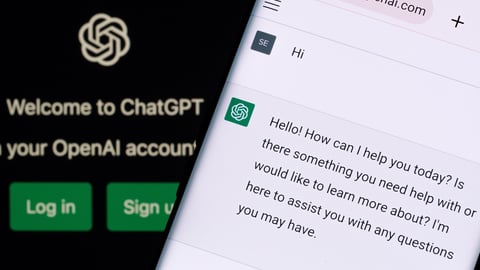
Even though AI tools offer speed and convenience, they also pose unseen cyber-risks when sensitive health information is no longer controlled by the hospital.
As other countries move toward banning social media use for some teens, the Liberal government has confirmed it’s working on new legislation to address online harms.
The latest CMA/CFIB data suggests that time saved by automation will largely be allocated to physician wellbeing rather than increasing system capacity.
Millions of people rely on phone apps and wearable devices like rings, smartwatches and sensors to monitor how well they’re sleeping, but these trackers don’t necessarily measure sleep directly.
An emerging model is quietly turning Canadian patient medical records, and patients themselves, into lucrative commercial assets – often without patients’ explicit knowledge or consent.