
Check out the winner for our Practice Innovation Award: Sherif Hanafy Mahmoud

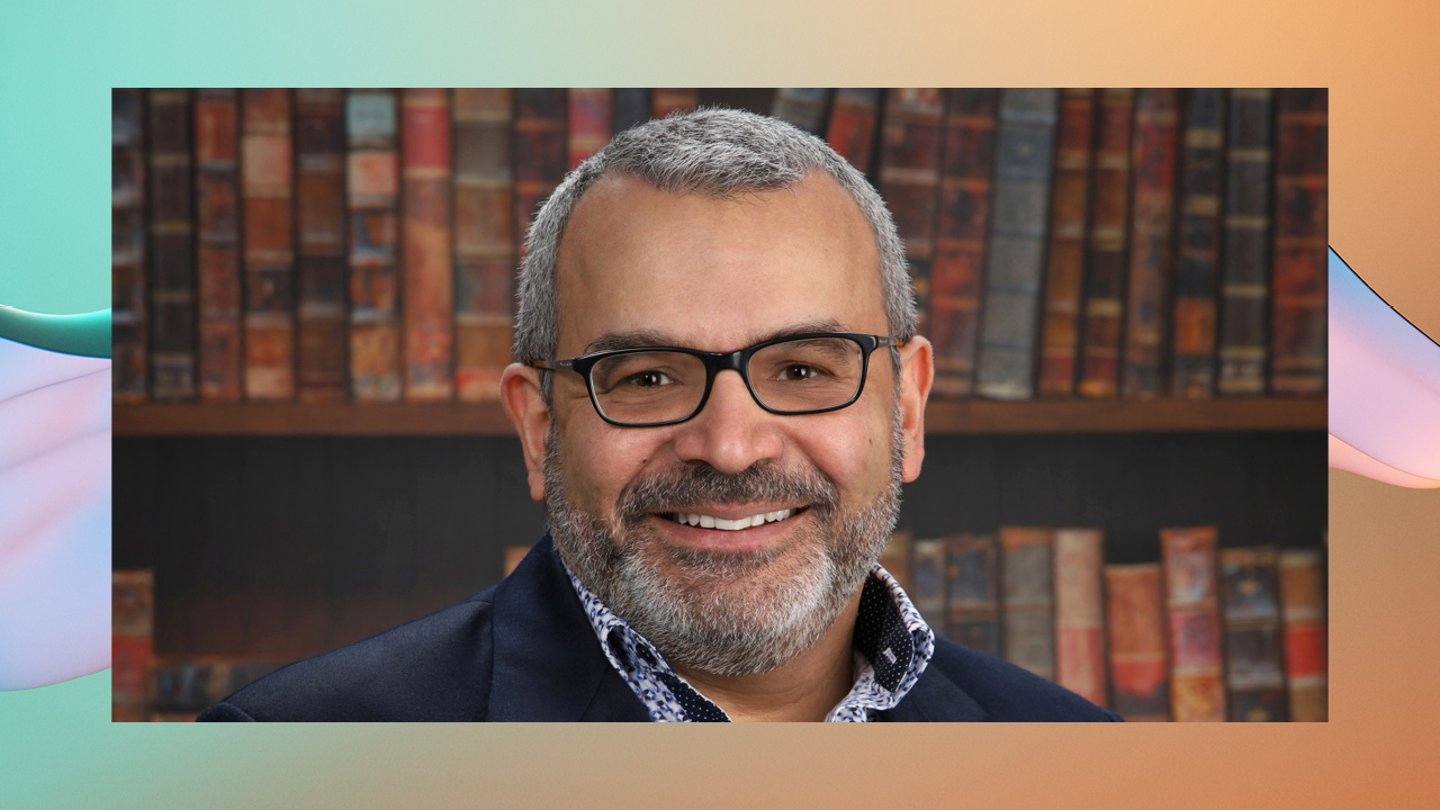
Dr. Sherif Hanafy Mahmoud is an associate professor and the associate dean, Academic, at the Faculty of Pharmacy and Pharmaceutical Sciences, University of Alberta. He is also a neurocritical care clinical pharmacist at the University of Alberta Hospital in Edmonton. He has held numerous roles in pharmacy practice over more than 25 years in the profession, including as a clinician, researcher, educator and leader.
Why he won
An internationally recognized speaker and leader in the field of neurocritical care pharmacy practice, Mahmoud initiated and established the role of pharmacists in the Neuro-ICU at the U of A Hospital, becoming the first long-term, full-time neurocritical care pharmacist—and paving the way for other pharmacists in this role. While there, he was involved in revising and developing drug therapy protocols, establishing the medication reconciliation process and educating physicians, nurses and other healthcare members about neurocritical care pharmacotherapy.
Today, not only is he the go-to person for neurocritical care/anti-seizure medication issues at the hospital but is consulted by institutions across Canada. He is also developing tools to enhance Canadian pharmacists’ knowledge and comfort in managing patients with epilepsy. His research has influenced clinical practice changes locally and globally, and his sustained impact on advancing neurocritical care practice, research and education, has earned him the Neurocritical Care Society’s Presidential Citation six times between 2018 and 2025.
In addition to his many contributions in neurocritical care, Mahmoud has mentored more than 60 students and is an avid promoter of diversity, equity and inclusion.
We asked Sherif
If a pharmacist has an idea for an innovative practice of their own, how would you suggest they start?
“Innovation doesn’t have to begin with a big idea or a fully formed plan. I would encourage pharmacists to start by identifying a real problem they see repeatedly in their daily practice, something that affects patient outcomes, workflow, or access to care. Listen carefully to patients, colleagues, and other healthcare providers; many of the best ideas come directly from unmet needs at the frontline.
“Once the problem is clear, be honest about whether you have the right tools to tackle it, and if not, be willing to invest in learning new ones. It is never too late to acquire new skills. In my own journey, I sought formal clinical research training at Harvard Medical School to strengthen my ability to address complex clinical questions and that additional training fundamentally shaped how I approach innovation.
“From there, start small and test the idea in a manageable way. Use available evidence, guidelines, and data to support your approach, and don’t hesitate to seek mentorship or collaborate with others who bring complementary expertise. Finally, document outcomes early through research and observations, whether clinical, operational or patient-reported. Demonstrating impact not only helps refine the model but also builds the case for sustainability and broader adoption.”