
Revolutionizing spasticity care with innovative cryoneurolysis treatment

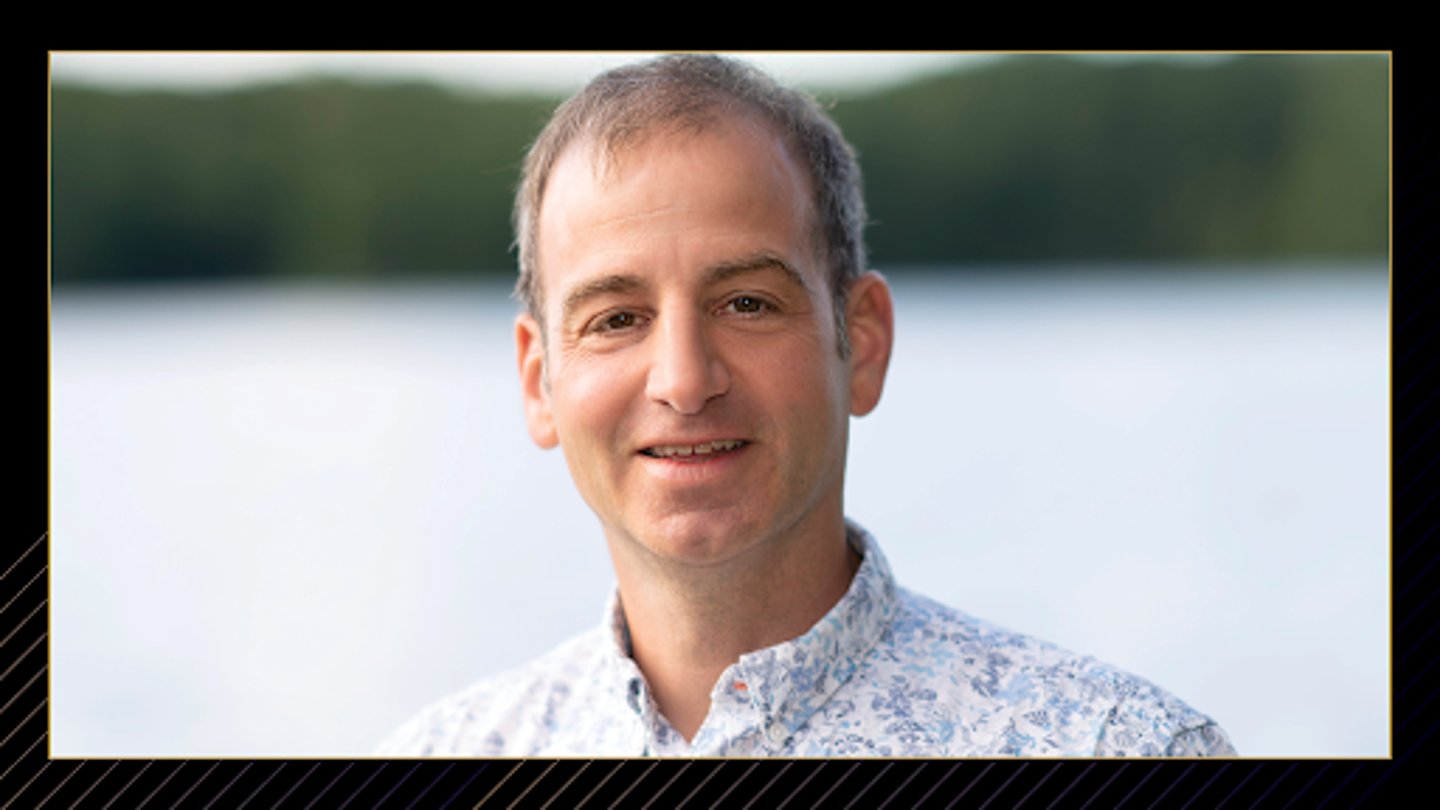
Dr. Paul Winston, a pioneering figure in the field of neurological rehabilitation, is the recipient of the Medical Post Innovative Practice Award for his work in developing cryoneurolysis for spasticity. As the leader behind the Victoria Peripheral Nerve and Spasticity Clinic, Dr. Winston has revolutionized the treatment of spasticity by introducing a minimally invasive, ultrasound-guided procedure that has become a global model for care.
Starting with a $10,000 award from Doctors of BC in 2018, Dr. Winston and his interdisciplinary team have transformed cryoneurolysis from a little-known pain management technique into a widely recognized and adopted treatment for spasticity. His innovation offers a more cost-effective alternative to treatments such as botulinum toxin and surgical neurectomy and more areas can be treated in one sitting. The procedure, which involves freezing nerves to reduce muscle spasticity, has been life-changing for hundreds of patients, with over 900 successfully treated under Dr. Winston and his team’s care.
Medical Post Awards
The Medical Post Awards recognize Canadian doctors and are selected by panels of physician juries. Coverage of this year’s recipients is here: The 2024 Medical Post Awards winners.
Dr. Winston’s contributions extend beyond the clinic. His team has published over 20 academic papers on the subject, developed the first international textbook on ultrasound-guided nerve blocks for spasticity, and trained doctors from around the world in this innovative technique.
JUDGE QUOTE:
“When those suffering from spasticity feel they have entered a dark tunnel with no end in sight, Dr. Winston emerges, holding a torch that could signal the beginning of hope for overcoming their ordeal. While I’m not entirely sure how accessible this treatment is, after reading about its results and effects, I believe patients will not be disappointed when they receive it. This innovative approach to treating spasticity enables patients to regain some movement and reasonably manage their debilitating condition. I hope it becomes available to all who need it.”
Watch the video interview—or read the Q&A transcript below:
- Q&A
Q: Given burnout and the healthcare system struggling, what do you see as the value of recognition from awards like these in the physician community?
“Recognition is very important because we are emotional beings. As a physician doing clinical research, everything we do is volunteer. We are not paid for research. We get up early in the morning and work late, but it’s the only way to give access to improving patient care. And the antidote to burnout is joy,” Dr. Winston said in his office at Victoria General.
“Without recognition, everything I do—my team, my work—it’s all funded through donations and fundraising. To provide the care I want to, I literally have to fundraise and write grants because none of our team members were funded. So recognition brings government, university and hospital awareness of what we’re doing.
“But we treat and train patients and doctors from all over the world. . . .
“But the more people know about it, the more credence it gives to our work. All of our research is in development and will be published soon, but it takes about five years to generate a study with a one-year follow-up. Recognition allows us to be highlighted, noticed and, most importantly, it helps our patients get the care they need.”
Q: Talk about your community—physicians treating spasticity or the patients affected by it.
“We are very much a community-based clinic. I’m a physician in B.C., associated with the University of British Columbia, but everything is overseen by Island Health, where I serve as a medical director. Our mandate is to treat everyone on the island and in the province. My patients all have disabilities—they’re not heard, and they’re not seen,” Dr. Winston said.
“We have an old hierarchical government system that doesn’t fund well for people with disabilities, their needs or their caregivers. Through research, we’ve harnessed the patient story. To change the way medicine is delivered, I’ve relied heavily on patient stories through social media and publications.
“I collaborate with an incredible ethicist, Dr. Lisa Boivin, who is an Indigenous storyteller. She and I share a love of storytelling. I have an arts and dance background, and she helped me harness my idea of telling patient stories. Everything we do is visual—on video, through patient stories and social media. This has allowed us to bring our community into the process, to tell their stories, and to achieve things they never thought possible. . . . We’ve harnessed the strength of our local community. We’re proving that together, we can accomplish so much.”
Q: What are the challenges you face in telling stories like this, and how do you overcome them?
“I’m a gregarious person, and I got into medicine because of Dr. Oliver Sacks. He was a pariah in medicine—later, we found out he was a gay Jewish man who wasn’t accepted because he was different. But he became a hero, inspiring a huge percentage of neurologists. What he did was tell stories, changing the way medicine is done,” Dr. Winston said.
“I have a background in dance, and in 2015, Marsha Lederman wrote an article in The Globe and Mail that brought my dance background into the spotlight. During the pandemic, when we were stuck in rooms, I started creating videos to show patient movement and how lives could change. Over the years, we’ve made dozens of videos on Twitter and LinkedIn, which connect patients to the humanity of what we do.
“Research can be boring—checks and boxes—and often . . . studies are not reproducible. But by showing videos of patient progress, anyone—a patient, family member, or reviewer—can see the change. Using my love of movement, I’ve shown how patients demonstrate their transformations, helping people believe in what we’re doing. This visual storytelling has been invaluable.”
Q: You mentioned your dance background. Can you remind me about that?
“I grew up in Toronto and was a day student at the National Ballet School for eight years. In fact, we’re going to our school reunion this weekend!,” Dr. Winston said when he was video interviewed in Victoria in early November.
“So I grew up in this incredible world-leading institution in Toronto—people like Karen Kain and Veronica Tennant were our mentors. So I grew up in this environment where, here in little Canada, we had the best in the world coming to us all the time. I had a career, then worked with an opera company and taught.
“I really saw in that world where everybody was valued to be the best as possible because they were really invested in you and doing a good job. And then you go into medicine where people put you down all the time. And some make you feel not appreciated.
“So, for me, it’s been a real message of spreading joy in students that I work with. I always tell them: ‘Whatever your level is, it is my job to make you look polished for your next rotation.’ If you’re teaching, you don’t get to choose who comes into the room, but you have to get them to where they need to be.
“And that’s what we do with our patients as well. So for me, this exploration of changing movement—people have been told they can’t change their movement and at 40 or 60 years old, we help them expand their movement capacity.”
Q: What inspires you about healthcare and keeps you motivated?
“Oh gosh, some days, it’s so hard to keep going. What motivates me is that I have turned it into my own. I’m on a little island. Our university has zero research funding for us. But yet we have wonderful infrastructure at the local medical program. We have a really helpful health authority,” Dr. Winston said.
“I was doing these beautiful case examples of people getting better, but there was no evidence to support that. And what I realized was if I use these (bits of) visual storytelling patients were emailing me (and added to that). So I treat something called complex regional pain syndrome. (For these patients) well they couldn’t get help. But they sent me videos and through my images, I said this is what you need to tell your doctor to do and the patients got dramatically better. So I realized that through telling stories and through education, we could improve care.
“(Actually,) during my dancing days, I had a painful hip problem that no doctor could diagnose. When I became a resident, my research project identified it as a snapping iliopsoas tendon using ultrasound. That paper has been cited over 250 times, and it showed me that by documenting and sharing clinical stories, we can make a real impact.”
Q: Can you share a particular patient story that’s especially meaningful to you?
“We treat people with disabilities who’ve been told there’s nothing more that can be done. One patient, a 45-year-old with cerebral palsy, used a communication board to tell us they had eaten a French fry for the first time—something they’d never been able to do before. Another showed me a video of themselves holding a baby after being too afraid for 20 years,” Dr. Winston said. “Honestly, every day I get videos from patients around the world, doing amazing things, like running, they couldn’t do before.
“These moments are so emotional because they represent overcoming what the system said was impossible. Every patient’s story stays with me. We cry a lot in clinic because these transformations are profound. And while we celebrate successes, it’s equally important to manage expectations and explain what is and isn’t possible.”
Because his work focuses on treating individuals with disabilities who have often been told there are no further options for them this is a big emotional impact of these cases, he said.
He also mentioned moments like a patient holding a baby for the first time in 20 years, overcoming a long-standing fear of dropping it. Dr. Winston noted that many of his patients have faced skepticism from the medical system but travel from other provinces or states for treatment. "We get them to where they want to be, and it’s glorious," he said.
However, he acknowledged the challenges of managing expectations, particularly for patients whose severe conditions, such as a debilitating stroke, limit the outcomes to reducing spasticity rather than regaining full movement. "Every patient is real to me," he emphasized. Dr. Winston’s team records videos of each patient’s goals and progress to capture the transformative results of their treatment, which range from enabling someone to ride a bike to alleviating chronic pain.
Reflecting on his experiences, Dr. Winston said he is deeply moved by the sheer number of patient stories and the dramatic outcomes his team achieves. “When I give a presentation, it almost hurts that I only have 20 or 30 minutes because I want to tell everyone’s story.”
Q: How do you describe what you're doing to other clinicians?
“We are treating spasticity, which is a disorder that affects probably 300,000 Canadians and millions around the world. It is a stiffness and tightness that happens to your limbs after a brain or spinal injury. It can be your whole body or part. A small percentage of people actually even get treated for it,” Dr. Winston said.
He said even in Canada, where access is relatively good, many patients weren’t reaching their goals. To address this, his team developed a technique using cryoneurolysis, a process that freezes nerves at -88°C. This safely destroys targeted nerves for six to nine months, allowing limbs to relax and regain movement, he said. According to Dr. Winston, patients often feel stronger immediately after treatment and can quickly resume their activities.
He described the work as groundbreaking, stating they had to write a new textbook and create a new language for medicine. He said it’s a multidisciplinary approach that they hope will be adopted globally.