
A refresher on menopause care with a physician helping launch Manitoba’s next specialized clinic
“In the past, people often thought menopausal symptoms would last only a couple of years. We now understand that, on average, symptoms last about seven and a half years, though some people experience them for much longer.”
The Manitoba government on April 20 announced a $5.2-million budget to establish the Manitoba Menopause Clinic in south Winnipeg.
The clinic is said to rebuild services lost in 2017 when the Mature Women Centre was shut down by the previous government. Premier Wab Kinew and Health, Seniors and Long-Term Care Minister Uzoma Asagwara said the new clinic will expand access through a new interdisciplinary, community-based model, and provide menopause and gynecological care, including minimally invasive procedures, along with counselling, education and co-ordinated interdisciplinary supports in one location.
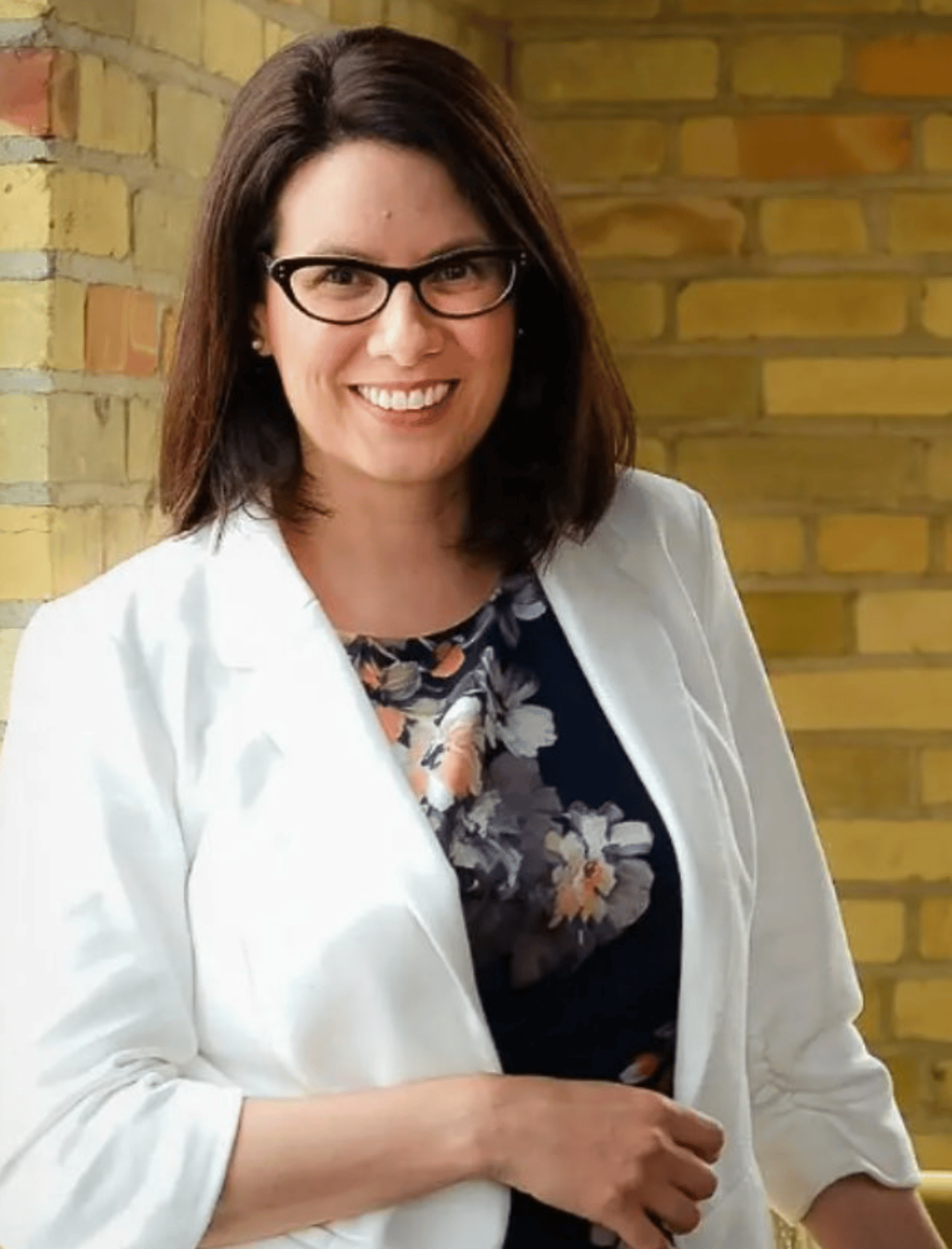
The Canadian Healthcare Network got in touch with Dr. Debra Evaniuk, who is currently an assistant professor and section head of Menopause with the Department of Obstetrics, Gynecology and Reproductive Sciences at the University of Manitoba, to understand the specific benefits of clinics like these. She is involved as a medical content expert in the upcoming Manitoba Menopause Clinic, and while still only in the early stages, we spoke with her about how women can benefit from care in such a set up.
Q: At what point do menopausal symptoms require medical intervention or specialized support from a trained healthcare professional?
While menopause is a natural life stage, interventions are typically only needed when symptoms significantly impact quality of life. And so a lot of what would potentially be addressed at a centre like this is the types of medical management that can be helpful for people who are transitioning through perimenopause and menopause who have bothersome symptoms. So the types of symptoms that are affecting their quality of life. That is our main indication for menopausal intervention and medications at this point. It's not the presence of symptoms, it's the bother associated with them. Hallmark symptoms during this stage are hot flashes, night sweats to sleep disruptions, among others.
Q: What treatments are available for women experiencing bothersome menopause symptoms?
A: For women who are struggling with menopause symptoms, lifestyle modifications are often the first step in managing them. If symptoms continue to significantly affect quality of life, pharmaceutical treatments may also be considered. For those who are eligible, menopausal hormone therapy can be prescribed based on an individual patient’s needs. There are non-hormonal treatment options available. They are considered “off-label,” meaning the medications were originally developed for other conditions but are also effective in treating symptoms such as hot flashes and night sweats.
Q: How do you decide whether someone should receive hormonal or non-hormonal treatment?
A: Patients need to have a thorough conversation with their healthcare provider. That includes discussing their symptoms, how those symptoms are affecting their life, their medical history, risk factors, personal preferences, beliefs and treatment goals. Based on all of that information, the healthcare provider can determine whether hormone therapy is appropriate, whether another type of intervention may help, or whether no treatment is needed at all. It’s not always a case of needing a prescription.
Q: Can you share how hormone replacement therapy (HRT) works?
A: Typically Menopausal Hormone Therapy (MHT), has a component of an estrogen hormone and then the second component is typically a progesterone—it's a component of the hormone therapy that protects the uterus when you're taking systemic levels. You are generally a candidate for MHT if you are under 60 and within 10 years of menopause. Everyone’s experience with hormone therapy is different. It depends partly on when treatment begins and how severe the symptoms are. In the past, people often thought menopausal symptoms would last only a couple of years. We now understand that, on average, symptoms last about seven and a half years, though some people experience them for much longer.
Q: The province announced its Menopause Care Clinic will adopt a new interdisciplinary model that includes ob-gyns, nurses, dietitians, physiotherapists and pharmacists. Why is this type of model needed?
A: Many of the symptoms and health risks associated with menopause can benefit significantly from what we call lifestyle management interventions. That includes things like dietary changes, exercise and stress management, which are foundational to caring for people moving through midlife. During this stage of life, many health risk factors increase over time, and some people need more support than others.
For example, some patients may benefit more from working with a dietitian, physiotherapist, nurse educator or pharmacist. We are still determining how to best maximize those roles within the clinic, but the goal is to provide comprehensive care and ensure patients receive the greatest possible benefit from the range of specialists available to them.
Q: Under what circumstances might a menopausal patient require referrals to specialists such as psychiatrists, cardiologists, endocrinologists, rheumatologists or sleep medicine experts, which the new clinic expects to be able to connect them with?
A: Menopause occurs during midlife, a period when many significant health changes can happen. There can be major shifts in cardiovascular and metabolic risk, as well as increases in depression, anxiety, and new sleep-related issues. Because of that, some patients may require specialist care for conditions that may not be directly caused by menopause but are occurring alongside the menopausal transition.
The idea behind having access to specialists and subspecialists is to ensure patients receive care tailored to their individual medical risks and needs. At this point, I don’t know whether the government intends for these specialists to be physically present within the clinic itself. The concept may instead involve the clinic having connections or a network of providers that patients can be referred to when needed.
Q: When are procedures such as hysteroscopies or endometrial ablation considered necessary for women going through menopause?
A: Hysteroscopy or endometrial sampling is most often considered when someone has abnormal uterine bleeding or bleeding after menopause. Menstrual cycles are generally expected to follow a predictable pattern and not be excessively heavy. When bleeding changes in a concerning way, doctors may need to examine or sample the uterus to rule out structural problems, precancerous changes, or cancer.
This can happen more often during perimenopause, and any bleeding after menopause should always be investigated. Hormone therapies can also sometimes cause bleeding, which may require further evaluation.
Hysteroscopy allows doctors to directly visualize the uterus, similar to how other specialists use procedures like colonoscopies or cystoscopies to examine internal organs. Endometrial ablation, meanwhile, is not usually considered necessary but can be one treatment option for heavy bleeding once serious causes have been ruled out.
Q: What kind of community-based and non-medical support systems can help improve the well-being of women experiencing menopause?
A: Menopause experiences vary widely and are shaped by factors such as culture, health history, education, age and place of residence. Because of this, there is no one-size-fits-all approach.
Support can include peer groups and access to credible, evidence-based information, especially as people increasingly turn to online sources where quality varies. Helping individuals find trustworthy information can make a meaningful difference.
Some may also need medical care as part of their support. While not everyone will require the same level of intervention, access to care when needed is important. More people are now seeking information proactively and looking for ways to better manage symptoms rather than simply live with them.
This interview has been edited for length and clarity.