
Learner honoured for human-centred advocacy in med ed

Dr. Danielle Penney has been named the recipient of the Medical Post’s Media Engagement Learner Award for her innovative approach to medical education and advocacy.
The award celebrates her use of personal storytelling and social advocacy to drive change in how we think about disability, learner wellbeing and medical training.
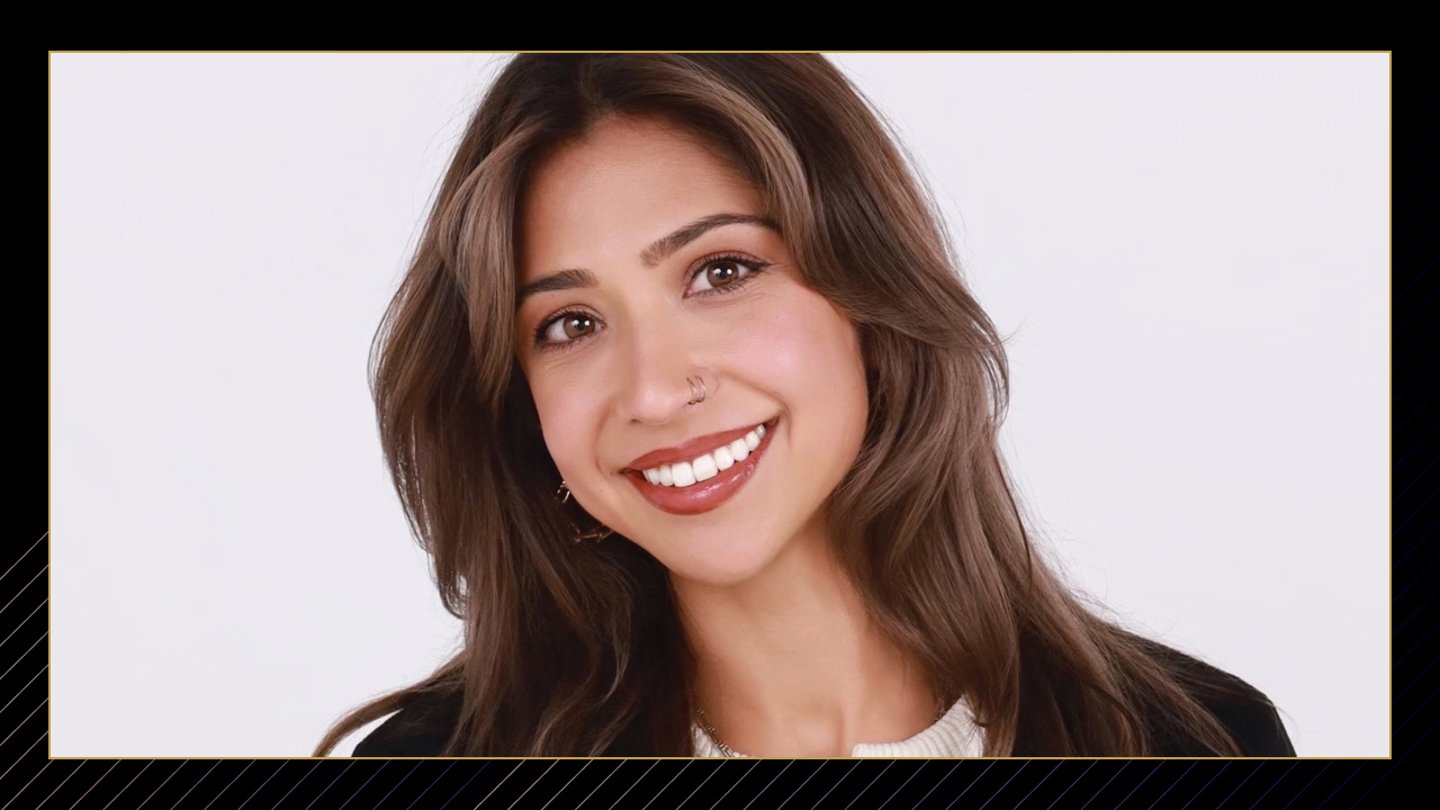
Dr. Penney, a family medicine resident, has used her own experiences to make medicine more honest and human. Her article in Healthy Debate, titled “This Will Make You a Better Doctor,” shares her journey as a healthcare provider and patient. This thoughtful reflection has resonated widely with medical educators and trainees and is now used in wellness sessions to help preceptors better support learners with chronic illness or disability. Following a personal health crisis, she also created a clinical algorithm to help educate others on recognizing and managing ovarian torsion, sharing it in an article published on the EMOttawa blog.
Medical Post Awards
The Medical Post Awards recognize Canadian doctors and are selected by panels of physician juries. Coverage of this year’s recipients is here: The 2025 Medical Post Awards winners.
Beyond her writing, Dr. Penney’s advocacy shows up in real life. She serves on the Toronto Metropolitan University Learner Advisory Council, where she provides practical suggestions for making medical education more inclusive, with a focus on anti-racism and trauma-informed care. As the social lead for the Professional Association of Residents of Ontario (PARO), she has created inclusive and accessible events that have fostered a sense of community among residents. She has also assisted residents in navigating complex bureaucratic processes and represents PARO on multiple committees, including the PGME Advisory Council and Learner Wellness Committees.
Dr. Penney’s contributions help shape how medical schools think about psychological safety and learner support. She has brought a new level of dialogue to tough topics like illness during training and discrimination, using her platform to push for real, systemic change. Her work is a powerful example of how learner-led media engagement can drive progress, not just by informing, but by humanizing the medical profession.
Judge quote: “Dr. Danielle Penney writes of her experience of being patient and a medical learner simultaneously. The insights she elucidates are instructive for us at any stage of our careers.”
- Q&A
Q: So, given burnout and the healthcare system struggling, what do you see about the value of recognition in the physician community?
Burnout and moral injury are huge issues in the physician community, and a large part of that is not feeling valued. Recognition is important because it makes us feel valued; it boosts morale and reminds us why we chose this profession.
We are living in the age of information, and our patients are having to navigate a sea of misinformation. It is really hard to drown out the noise and figure out who to listen to. Oftentimes, the voices that are the loudest are not the most qualified. We have all heard people in the media with no healthcare background giving advice about vaccines.
As physicians, we train for decades to be a resource to our patients, and sometimes our voices are drowned out. Now more than ever, it is important that we value physician voices and physician leadership. Recognition, like the Medical Post Awards, helps encourage colleagues to use their voices more.
And I think that recognition, like the Medical Post Awards, really helps to hopefully encourage colleagues to use their voices more.
Q: How do the Medical Post Awards help your community?
I see my community as physicians and specifically medical learners. Being a medical learner is a rough time. We work long hours, we care hard about our patients, and we have a perspective that can be overlooked. It’s a tough space to navigate because while we are working hard and providing a service, at the end of the day we are still learners. Figuring out how we use our voices as residents can be tricky.
I don’t have the years of experience that my staff supervisors do to speak on healthcare issues, but we still have a unique perspective, and our voice matters. Our stories should be heard and amplified. It’s valuable that we have a separate learner category for the Medical Post Awards, and important that it comes from a third party outside our educational institutions because it shows the wider community values our voice.
Q: What inspires you about the healthcare profession and what motivates you to keep doing what you do?
My amazing colleagues and my patients. My resident colleagues are some of the kindest, most intelligent, most compassionate people I have met, and it is a pleasure to work with them.
And my patients make my day. I’m grateful to be training at Toronto Western Family Health Team. As a family medicine resident, I have 200 patients that I follow from the beginning of my residency to the end. The relationship is so special. I recently did a two-month rural rotation and now that I’m back, it’s been exciting to see my patients saying, “I missed you! How was your rotation?” It’s lovely, and it’s hard to put into words how special that longitudinal relationship is.
Q: Are there any particular patients that stand out?
I really like the diversity of the patient population. My background is that my mom is from Trinidad, and I have a lot of Caribbean patients. They know that about me, and I get to connect with them over that. Having just come back from my rural rotation, I saw one of my patients and she said, “Oh, you went to Trinidad for two months, right?”
And I said, “I wish that I was in the Caribbean for two months, but no.” It is so nice to know my patients on that level and have them know me on that level too.
Q: Tell us a challenge you’re facing leading change in healthcare, and how you’re overcoming it?
As a resident, I don’t have expertise on all of the healthcare system, so I try to make changes in the areas where I do have expertise, which is being a medical learner. One of the things I wrote about in my article is that in medical school I had multiple emergency surgeries. I had a bacteria enter my bloodstream which made me very sick and had a lot of lasting impact on my health. It was difficult navigating being a medical learner because medical school doesn’t stop. I still had responsibilities I had to meet and rotations I had to complete.
It gave me empathy and perspective on being a patient. I still think it’s the hardest job in the hospital, but it also taught me that our systems and the way we train doctors aren’t always inclusive, and there are many barriers to our health and wellness. I’m trying to use that experience to make changes for good and for generations of medical students and residents to come.
From that experience, I got the opportunity to speak about how we can create safer learning environments for students facing all sorts of barriers. There’s a lot of work to be done, but there are many people doing amazing work in this space, and hopefully we can leave medical education a little better than we found it.