
The hidden toll of ‘outside lab panels’ on primary care
Patients are being told their family doctor can “just order” lab tests so extensive testing will be publicly covered. That expectation puts physicians in an untenable position: caught between patient pressure, system rules and another profession’s business model.
I am a family doctor and like many colleagues I spend an increasing share of my day on tasks that are not direct medical care: forms, notes, follow-ups and navigating the grey zones between what patients want, what other providers recommend and what I can ethically and legally order.
One recurring scenario is the “outside lab panel.” A patient arrives with a long list of lab tests, often including extensive vitamin, hormone, micronutrient or other screening panels, recommended by a naturopath. The patient has been told to bring the list to me so I can complete and sign a laboratory requisition. The implication is clear: if I sign, the tests are covered though public insurance; if the naturopath orders, the patient pays privately.
In that moment, family medicine becomes the administrative bridge between two systems: one governed by publicly funded coverage rules and another that usually operates outside those constraints. And it leaves me holding the risk.
Why it creates distress in family medicine
The burden isn’t just the time it takes to re-enter a panel into an electronic medical record to fill out a requisition. It includes maintaining trust within a sound patient-physician relationship and managing the patient’s expectations.
Patients are understandably trying to follow advice they have paid for. Some arrive already convinced the tests are “necessary,” and that I am simply blocking access if I decline. Meanwhile, I am accountable for every test I order. If a test isn’t clinically indicated based on my assessment, I shouldn’t be ordering it, no matter who suggested it. Ordering large panels “because someone else asked” is not benign: it increases the likelihood of incidental findings, cascades of repeat testing, referrals, patient anxiety and extra administrative follow-up that lands back in primary care.
This is also a system issue. When publicly funded testing is accessed through a physician signature to avoid private payment, the physician is effectively being asked to act as a funding conduit rather than an accountable decision-maker. That’s a role I can’t ethically accept, and it is a recipe for conflict in the exam room.
What I do when a patient brings a naturopath-ordered panel
I try to be transparent and consistent:
First, I assess the patient’s symptoms, history, and goals and I ask what problem the testing is meant to investigate.
If some tests are medically indicated, I order only those, and I explain why the rest aren’t appropriate or necessary.
If the requested tests are not clinically justified, I decline to order them and document the discussion in the record. If I order tests that aren't indicated, they are billed to the public system, which I am not allowed to do.
I also explain that if another provider believes the testing is required, they should be responsible for ordering it within their own scope and funding model.
I set expectations about follow-up: I will always review and act on results I order, but I can’t commit to managing large volumes of third-party testing without clinical rationale.
These conversations take time. They also take emotional energy, because I am asking patients to tolerate uncertainty and to hear “no” after they’ve been told “yes.” But consistency matters, both for patient trust and for professional accountability.
What needs to change
The current pattern shifts workload onto family physicians in the absence of discussions, negotiations and agreements with organizations representing us. If naturopaths recommend extensive laboratory testing, their regulator should explicitly encourage accountability and discourage the profession from seeking a physician signature to enable publicly funded coverage. They should provide clear, public-facing guidance so patients aren’t put in the middle.
More broadly, Ontario needs clarity across regulators and payers about how interprofessional test requests should work in practice. Until then, family doctors will continue to absorb the friction: the extra forms, the downstream follow-up, and the difficult conversations that arise if the public system is treated like an end-run around private fees.
Primary care is already stretched. If we want family doctors spending more time on actual care, we must stop normalizing this and other processes that offload administrative work onto the front door of the health care system.
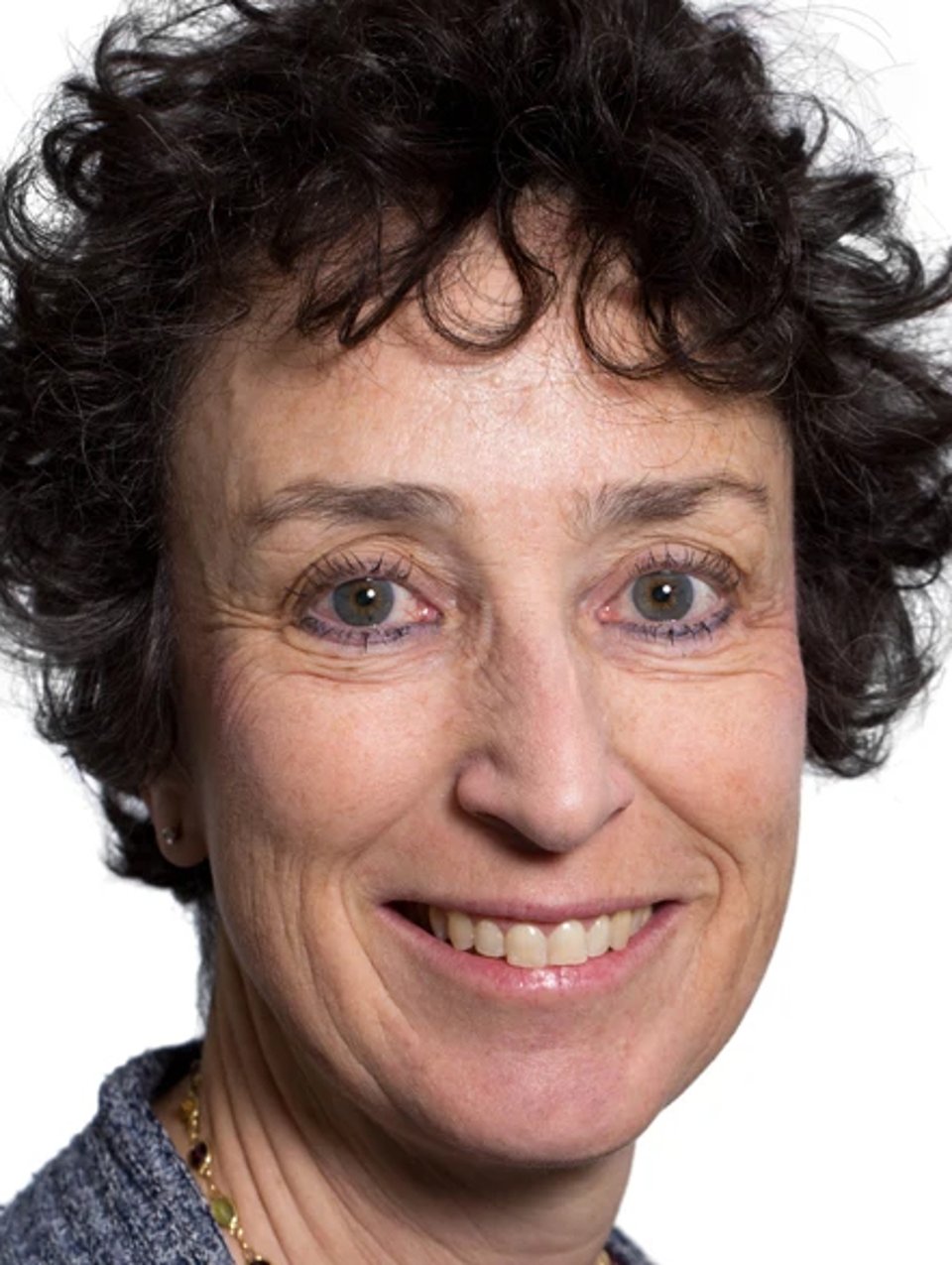
Dr. Michelle Greiver is a family physician with North York Family Health Team in Toronto and professor in the department of family and community medicine at the University of Toronto.